
Science-Based Mold Remediation for Healthy Homes and Businesses
AMRT and CIRSx-certified mold removal focused on health, safety, and transparency for Maple Valley, Bellevue, Renton, Enumclaw, Bonnie Lake, Convington, Black Diamond and surrounding communities.
Why Mold Requires a Science-Driven Approach
Mold Issues in the Pacific Northwest: Risks and Realities
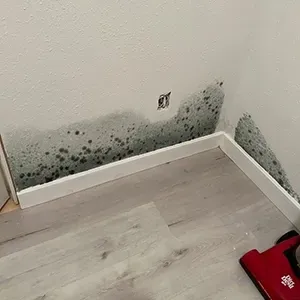
In the Pacific Northwest, persistent rainfall, high humidity, and tightly sealed buildings create ideal conditions for mold growth. Mold is not just a cosmetic concern. Left unaddressed, it can compromise indoor air quality, trigger allergies, and threaten the integrity of your home or business. Many property owners encounter musty odors, visible discoloration on walls, or hidden moisture after a leak or flood.
At Pacific Water Restoration, we understand that effective mold mitigation requires more than surface cleaning. Our approach is grounded in building science and microbiology, ensuring that every project addresses both visible contamination and the underlying moisture that allows mold to thrive. Whether you’re in Maple Valley, Sammamish, Renton, or Federal Way, we provide honest, data-driven assessments that prioritize your safety and long-term property value.
Built on Technical Expertise and Local Trust
What Sets Our Mold Services Apart in South King County
Unlike other contractors who rely on visual guesswork or high-pressure tactics, our team is certified in Applied Microbial Remediation (AMRT) and Medically Important Remediation (CIRSx). Every step is documented and justified with scientific evidence. We never exaggerate the severity of mold issues or recommend unnecessary work. Instead, we focus on education, transparency, and integrity.
Our family-run business is rooted in Maple Valley and serves nearby cities including Bellevue, Kent, Auburn, Covington, and Newcastle. We bring a calm, professional presence to stressful situations, guiding you through the process with clear explanations and honest recommendations. Our reputation is built on meticulous work, clean job sites, and respect for your home and time. We are insurance-friendly and provide detailed documentation to support your claim if needed.
Our Mold Remediation Process: Thorough, Documented, Safe
Step-by-Step Remediation: From Assessment to Final Clearance
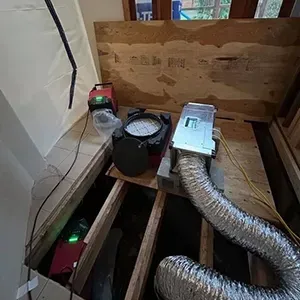
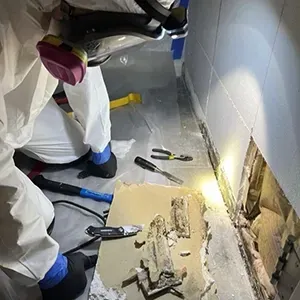
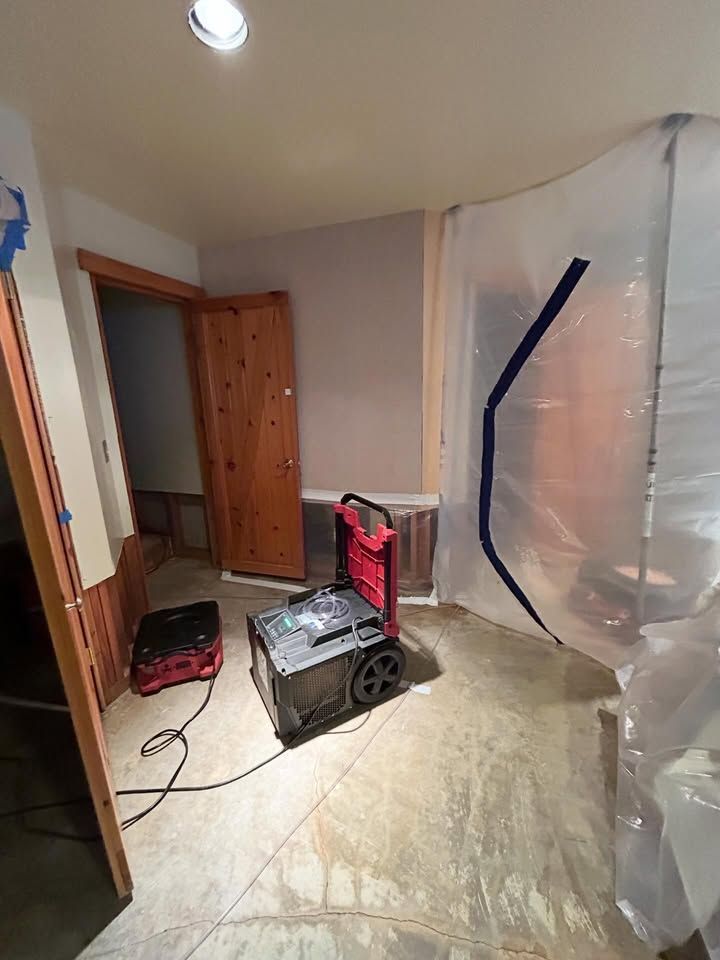
Our scientific process starts with a comprehensive inspection, including moisture mapping and, when needed, third-party laboratory testing. We establish strict environmental controls with containment barriers to prevent cross-contamination. Using HEPA filtration and negative air pressure, we remove airborne spores and safeguard indoor air quality. Any affected materials are carefully removed and disposed of according to strict protocols. We apply EPA-registered antimicrobials only after reviewing Safety Data Sheets (SDS) with our clients and receiving written consent.
Our approach addresses not only the visible mold but also the hidden moisture sources that allow it to return. We specialize in medically important remediation for sensitive occupants, following CIRSx protocols. Throughout the project, we provide transparent updates and final verification to ensure your home or business meets rigorous dry and cleanliness standards before we consider the job complete.
Your Partner in Health and Property Protection
Restoring Peace of Mind with Honest Mold Solutions
Choosing the right professional for mold removal is about more than immediate cleanup. It is about ensuring your property is safe for the long term and that you can trust the advice you receive. At Pacific Water Restoration, we intentionally limit our project volume so we can give every job the attention it deserves.
Our clients receive direct communication from our owners, Mark and Nataliya Ilyin, who personally oversee every project. Whether you are facing visible mold after a plumbing failure or are concerned about hidden growth in a crawl space, we offer prompt, respectful, and science-based service. Serving Maple Valley, Issaquah, Sammamish, Bellevue, and the greater South King and North Pierce County areas, we are committed to helping you make informed decisions about your home or business. Our goal is for you to feel confident, protected, and supported, never pressured or left in the dark.
Common Questions About Mold, Health, and Remediation
Your Mold Remediation Questions Answered by Experts
How do I know if I have mold in my home?
Signs of mold may include musty odors, visible discoloration, damp materials, or worsening allergy-like symptoms indoors. A professional inspection can help determine if mold is present and identify the source.
What causes mold growth?
Mold typically develops when moisture is left unaddressed due to leaks, flooding, humidity, or poor ventilation. Moist environments create ideal conditions for microbial growth.
What does mold remediation involve?
Mold remediation involves assessment, containment, removal of affected materials, HEPA filtration, and antimicrobial treatment when appropriate. The goal is to remove contamination while correcting the moisture source.
Do you use scare tactics to upsell mold work?
No, Pacific Water Restoration specifically avoids fear-based sales tactics and exaggerated mold claims. We provide honest assessments and recommend only the remediation that is scientifically necessary.
Can mold return after remediation?
Mold can return if the underlying moisture issue is not corrected. That is why we focus heavily on identifying and resolving the moisture source during remediation.
Are there areas in the home you do not remediate?
Yes. Due to confined space entry and the need for specialized equipment such as dry ice and soda blasting, we do not service attics or crawl spaces for mold damage.
What Clients Say About Our Mold Services